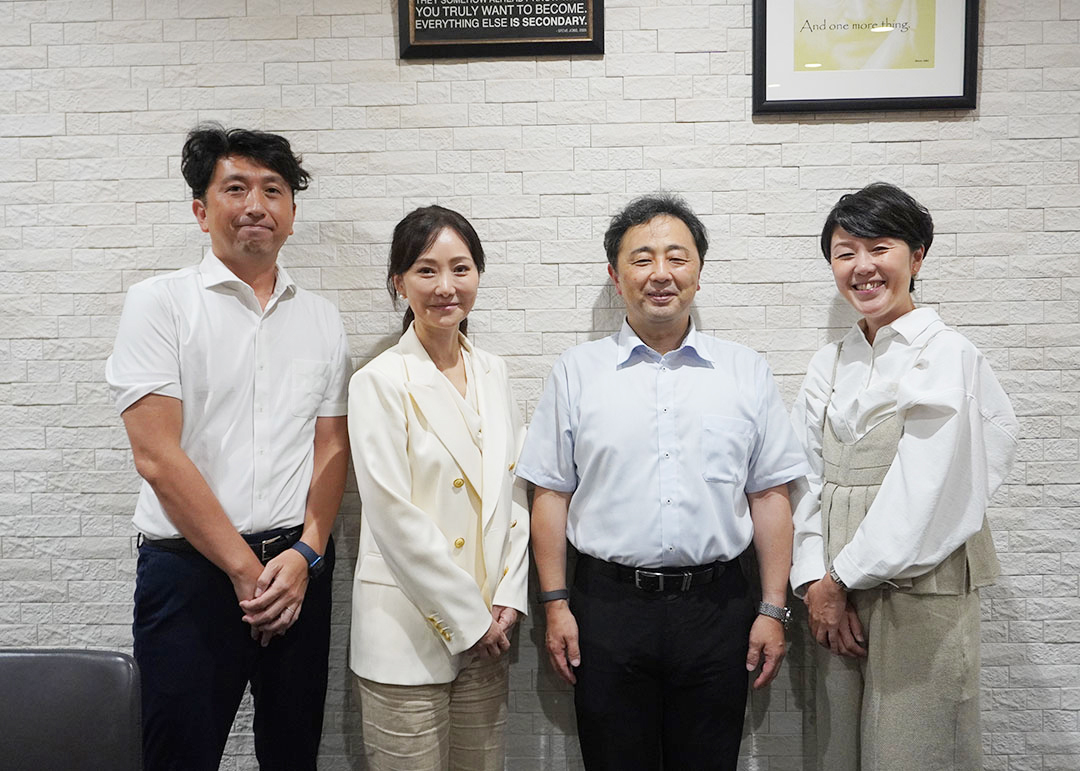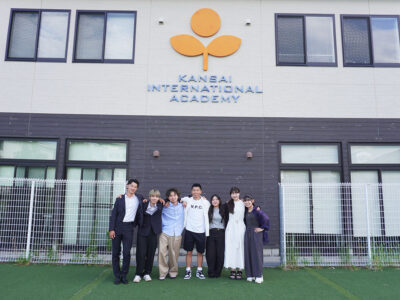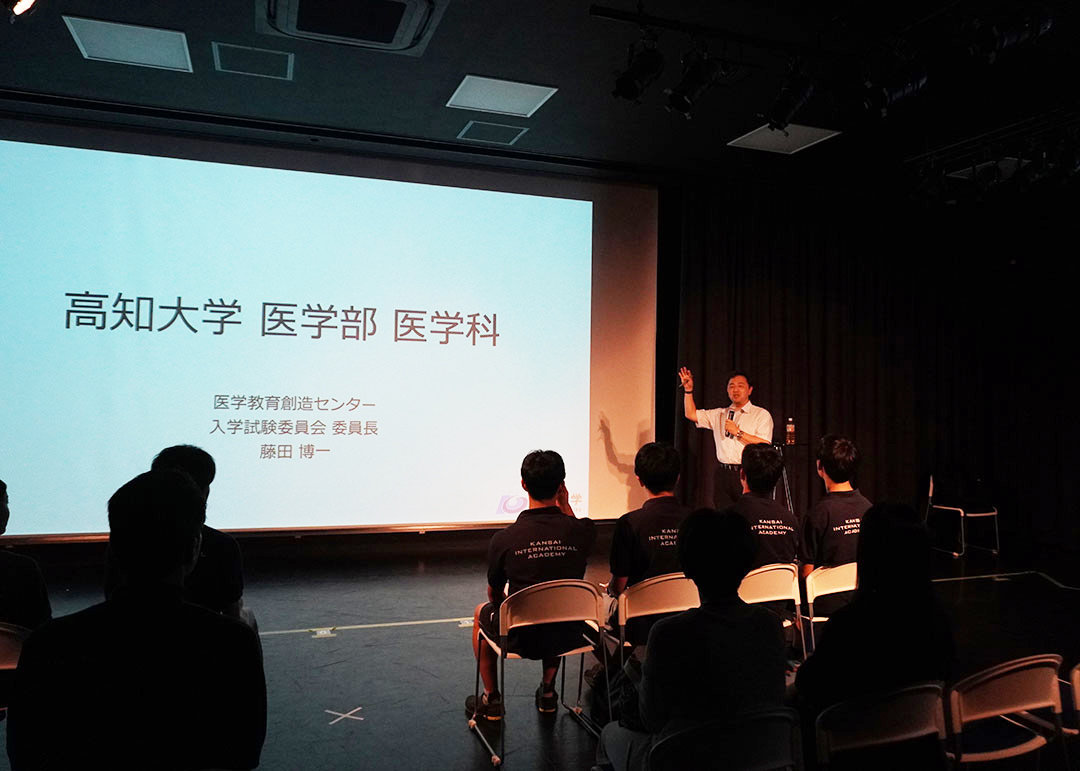
9月8日(火)、関西国際学園神戸校にて、高知大学医学部附属 医学教育創造センターの藤田博一教授をお迎えし、医学部進学に関心を持つ生徒・保護者を対象とした特別説明会を開催しました。
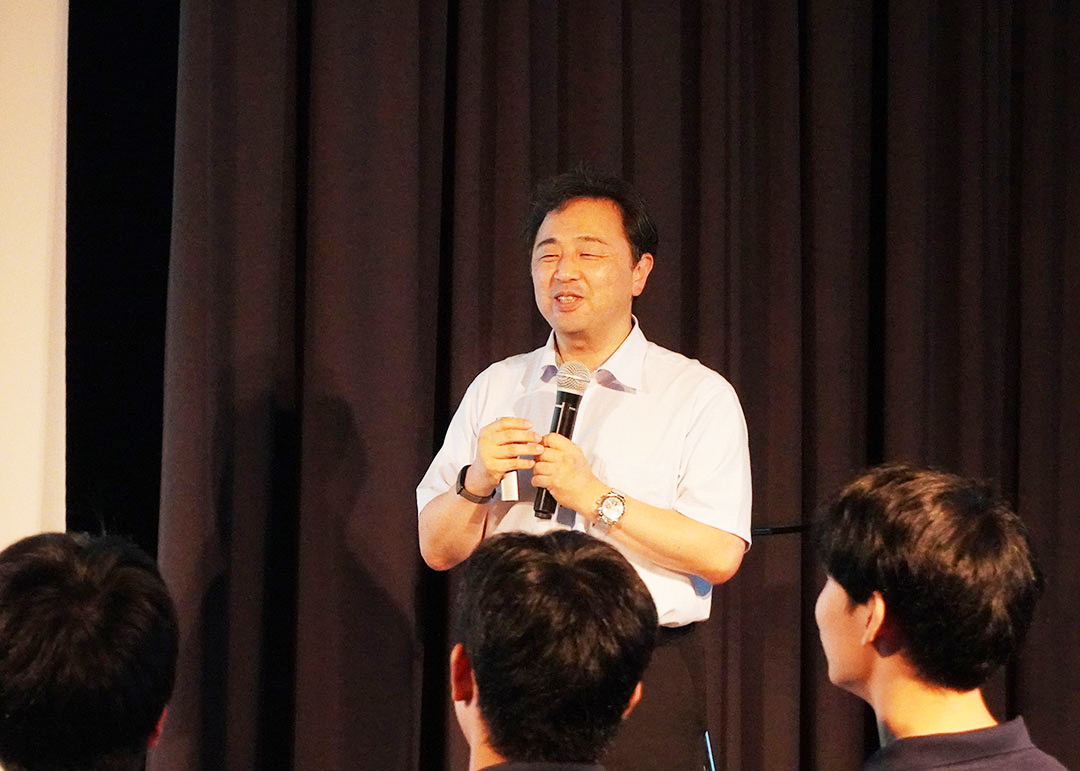
説明会では、高知大学医学部医学科の特色や教育内容、学生生活、入学者選抜についてご紹介いただき、国際バカロレア(IB)選抜についても、出願にあたってのポイントを含めて詳しくお話しいただきました。
そして今回、藤田先生が特に生徒たちに問いかけられたのが、「なぜ医師になりたいのか」「どのような医師になりたいのか」ということでした。
医学部に合格することや医師になること自体をゴールとするのではなく、その先にある「医師として何をしたいのか」「患者や社会にどのように貢献したいのか」を考えることの大切さについて、医学教育に長年携わってこられた藤田先生ならではの視点からお話しいただきました。
また、医学を学び続けるためには、学力だけでなく、自分自身の中に確かなモチベーションを持つことが重要であることも伝えていただきました。
医学部を目指す生徒たちにとって、入試制度や大学での学びを知るだけではなく、「自分はなぜ医師を目指すのか」を改めて考える貴重な機会となりました。
このたびご来校いただき、生徒たちに大切なメッセージを届けてくださった藤田博一教授、そして高知大学医学部の皆様に心より感謝申し上げます。
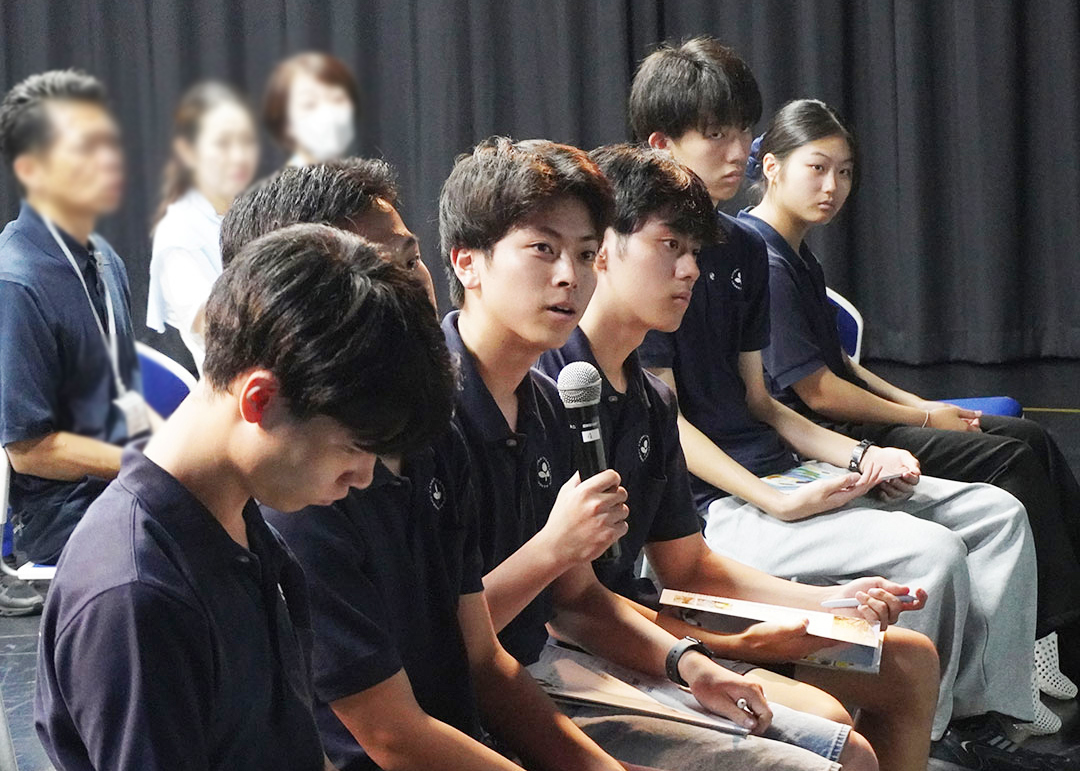
On Tuesday, September 8, Kansai International Academy Kobe Campus welcomed Professor Hirokazu Fujita from the Center for Medical Education Development at Kochi Medical School for a special information session for students and parents interested in pursuing a career in medicine.
During the session, Professor Fujita introduced the distinctive features of the Kochi Medical School, its medical education program, student life, and admissions process. He also provided detailed information about the International Baccalaureate (IB) admissions pathway, including important points for prospective applicants.
A particularly meaningful part of the session was Professor Fujita’s message to our students, encouraging them to reflect on two fundamental questions: “Why do you want to become a doctor?” and “What kind of doctor do you want to become?”
Rather than viewing admission to medical school—or becoming a doctor itself—as the ultimate goal, Professor Fujita emphasized the importance of thinking beyond these milestones: What do you hope to accomplish as a doctor? How do you want to contribute to your patients and to society? Drawing on his extensive experience in medical education, he also highlighted the idea that succeeding in medicine requires not only academic ability, but also a strong sense of purpose and genuine motivation to continue learning.
For our students considering medical school, the session was not only an opportunity to learn more about university life and the admissions process, but also a valuable chance to reflect once again on the deeper question: “Why do I want to become a doctor?”
We would like to express our sincere gratitude to Professor Hirokazu Fujita and everyone at Kochi Medical School for visiting our campus and sharing such an important and inspiring message with our students.