これまでに使用してきた教材や実施してきた研修、昔の教育理念などを振り返った時、年々、確実に子どもたちの学びや教育の内容が良くなっており、それが関西国際学園での子どもたちのより良い成長に結びついていることに気付かされます。
私たちの生きている世界は常に変化し続けています。関西国際学園は、子どもたちが変わり続ける世界に対応していくことができるよう、子どもたちにどのような環境でも応用・適応できる能力を教えることができるよう、教育も変化する必要があると考えています。
教育における応用・適応能力とは実際に何でしょう?
これらのスキルが含まれます:
- アクティブラーニング(能動的に学ぶこと)
- 問題解決能力
- 批判的思考
- 多様性
- コミュニケーション
- 創造性
- 共感
- 関与(参加)
- 社会的・情緒的発達
私たち大人は、これらのことを乳幼児期の子どもたちに教えることは、とても難しいことだと感じるかもしれません。しかし、実は可能なことなのです。乳幼児期は、将来子どもたちが身につけるべき論理的に考える力や創造性、データ分析力や協調性などを学ぶことができる最初の段階なのです。
ここ10年の研究では幼少期の経験や周囲との関わりが、その人の脳の発達、生涯学習や立ち振る舞い、健康の基礎を作りあげることに大きく影響しているということが明らかになってきています。したがって質の高い早期幼児教育のニーズは、かつてないほど高まっています。
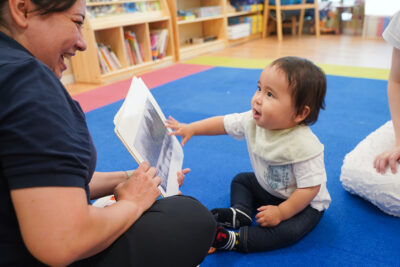
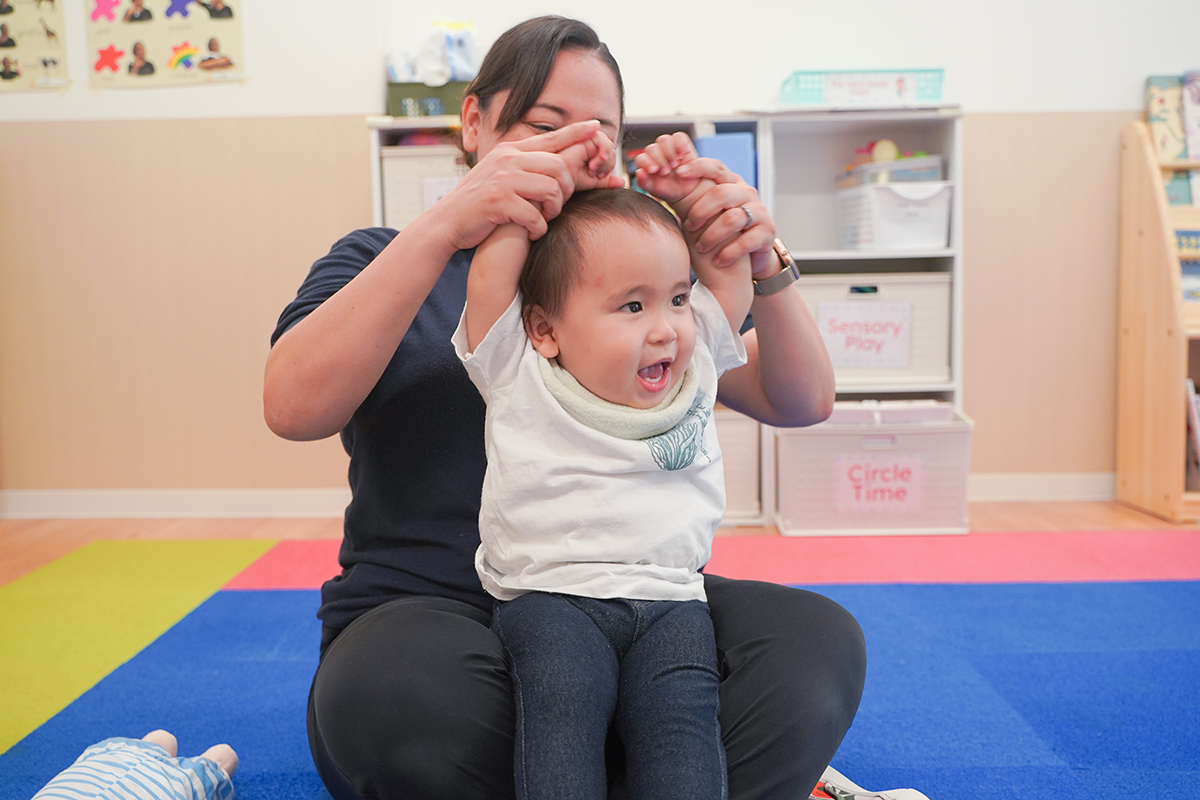
乳幼児部では子どもたちの発達をサポートし、安全な保育環境の中での子どもたちとの信頼関係を構築することに重きをおいています。1日を通して、保育者たちは子どもたちが遊びを通して学べる環境を用意し、子どもたち1人1人の発達段階に合わせてそこから更に多くを学ぶことができるような関わり方、そして学習の足場作りを行っています。
子どもたちは、好奇心、探求心、物事を不思議に思う気持ちや挑戦したい気持ちを持って生まれてきます。私たちは、子どもたちが試行錯誤を繰り返し成功を経験すること、その子どもの性格、気持ちや可能性、発達段階に寄り添い温かく守られた環境の中での失敗を通して、自信をつけていくと考えています。また、子どもたちは日々自ら問題を解決していく経験を重ねていくことで自立を学びます。そして、大人が思いやりを持って他の人と接する姿や、子どもたちに様々な視点から考えられるように促す姿を見て、子どもたちは共感する心を育みます。
私たちの教室では、子どもたちが:
- 穏やかな遊びや活動的な遊びができるよう、その活動に適した音楽を聴きながら、心地よく活動に取り組みます。
- 芸術活動の時間には、「描く」ための多種多様な材料や道具を使用します。
- リサイクル素材や自然素材、工作粘土を使用します。
- 本物の楽器や手作りの楽器を使って音楽を演奏します。
- 役になりきるために小道具などを使って、様々な職業や場面を想定し、ごっこ遊びを楽しみます。
- 自分の持ち物を管理し、必要なものを自分で見つけることができるように繰り返し練習します(年齢に応じて)。
- 問題が起きた時には、保育者のサポートのもと問題解決に取り組みます。
- 昼食時には、ランチセットの準備と片付け、また、自分で食事をすることができるように取り組みます。
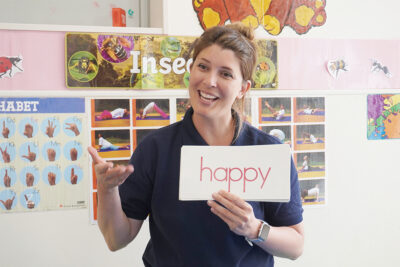
- 自分の欲求や考えを表現するために、言葉や言葉以外の身体を使ったコミュニケーションのやりとりを練習します。
- サークルタイムや日常生活の中で、順番を守る練習をします。
- 感覚遊びの時間には、様々な種類の素材を五感で感じ、学び、実際に触ってどのような遊びができるかを探索します。
- 道具を使って様々な物体を測り、その特徴によって具体物を分類する活動に取り組みます。
家庭での日常生活の中で、親はどのように子どもたちの学習をサポートすることができるか:
- 食事や活動、衣服について、適切で意味のある選択肢を与えましょう(一度に2つまでの選択肢にとどめる)。
- 汚れた服を洗濯カゴに入れるなど、日常の簡単な家事を手伝わせましょう。
- 「おもちゃを投げないで!」ではなく、「トラックを動かしてみよう!」など、ポジティブな言い方を意識しましょう。
- 歩いたり、食事をしたり、おもちゃを探したり、自分でできることは自分でするように励ましましょう。
- 子どもが遊んでいるときは、子ども主導の遊びを見守り、大人はその活動の様子を言葉で言い表しましょう。
- 大変だったことや成功したことを具体的に言葉にしてコメントしましょう。例:「トンネルから出られなくなったね、手伝おうか?」や、「この家、ひとりで建てたんだね。」
- 子どもが泣いたときには、その感情を言葉で表現してあげ、泣きたくなるその感情を受け止め寄り添いましょう。
- 子どもが癇癪を起こした時には、なだめようとするのではなく、周りの安全を確認し、子どもの気持ちが落ち着くよう見守りましょう。
- 睡眠不足は、子どもの免疫力低下に繋がります。就寝時間を決めて、十分な休息を取るように心がけましょう。
最後に、何かに取り組む前に理解しておいていただきたいことは、何か新しいことができるようになるには時間がかかり、繰り返しの練習が必要ということです。このことは、誰にでも当てはまります。子どもたちの学習には、視覚や聴覚、触覚、味覚、嗅覚など、周りの環境から感覚的にインプットすることが最も効果的です。多感覚で学ぶことで、子どもたちは教えられた物事の概念とスキルを関連付け、より多くの情報を吸収することができます。また、繰り返し行うことで、スピードを上げ、自信を持ち、脳内の結びつきが強化され、子どもたちの学びを促すことに繋がります。
今回の情報が少しでも皆様のお役に立つことを心より願っています。保護者の皆様と子どもたちと一緒に手を取り合って、楽しい一年間を過ごしましょう。よろしくお願い申し上げます。
Transferable Skills in the Early Learning Center
Looking back at our older resources, practices and policies, we can’t help but notice how far our school has come with raising the quality of learning and teaching in all settings to improve outcomes for our students.
The way we live in the world is constantly changing and our school is well aware that education needs to change to provide students with transferable skills that will hold up to this rapidly changing world.
What exactly are transferable skills in education?
This includes skills of :
- active learning,
- problem solving,
- critical thinking,
- diversity,
- communication,
- creativity,
- empathy,
- participation
- social-emotional development.
At first, we may think it’s too complicated to teach these skills to children at an early age. But it’s absolutely achievable! Children in their early years need to begin to develop the early foundational skills that will help them reason, think creatively, analyze data, and work collaboratively in the future.
Research during the past decade has revealed that the experiences and interactions children have in these early years significantly affect brain development and helps establish the foundation for lifelong learning, behavior, and health. Therefore, the need for high-quality early childhood education has never been greater.
How exactly are we applying these skills into our daily practices in the Early Learning center?
The Early Learning Center puts a strong focus on developing supportive, trusting relationships with children in a safe and nurturing environment. Throughout the day, our teachers provide playful experiences and stimulating interactions that scaffold development by supporting what children already know while gently extending their learning.
Children have an innate curiosity and desire to explore, question, and experiment. We believe children gain confidence when they have opportunities to try new things through the process of trial and error and experience success and failure in a supportive, inclusive environment. They learn independence when they have opportunities to practice self-help skills every day. And they develop empathy when they observe caring adults interacting with others and encouraging children to consider different perspectives.
At our classroom, children:
- Expose to different background music that enhances children’s quiet and active play.
- Use different writing materials and various tools in art projects.
- Use recycled and natural materials and modeling clay or play dough.
- Play music using real and home-made instruments.
- Role-play various jobs and situations using dramatic play props.
- Keep track of their own belongings and find things they need (older children).
- Participate in resolving conflicts and problem solving with the help of adults.
- Participate in the set-up and clean up of their spot at lunch time and feed themselves.
- Use verbal and non-verbal communication to express their needs and thoughts.
- Practice taking turns during Circle Time and other daily routines.
- Can feel, study and manipulate different types of materials during sensory play hour.
- Use tools to measure, sort, and classify objects by their characteristics.
How parents can support children’s learning in the everyday routines from home:
- Provide meaningful and appropriate choices about food, activities, clothing (stick to 2 choices at a time).
- Let your child help with simple routine chores: putting dirty clothes in a laundry basket, etc.
- Phrase things positively: say “Roll the truck,” instead of “Don’t throw toys!”
- Encourage them to do things that they can for themselves: walk, feed, find toys, etc.
- Follow their lead when they play and narrate their activities.
- Verbalize their struggles and victories: say “You are stuck in the tunnel, do you need help?” / “Youbuilt this house all by yourself.”
- Label their feelings and help clarify frustrations when they cry.
- Let children work through their tantrums rather than trying to soothe them.
- A lack of sleep will bring down your child’s immune system. Building a set bedtime routine helps to ensure that your child is well-rested.
Before you get started, understand that mastering a new skill takes time and requires practice – for everyone. The most effective way for children to learn is to engage sensory input from the environment whether through sight, sound, touch, taste, or smell. Multisensory learning helps children make connections to concepts and skills being taught and helps children to retain more information. Through repetition, children will improve speed, increase confidence, and strengthen the connections in the brain that help children learn. We hope you find this information useful and we look forward to working with you and your child in the exciting year ahead.